Monday, October 17, 2011
 5:24 PM
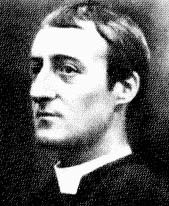
When the grey film obscured my eyes,
And convention blurred my native sight,
He scraped away the scales,
And showed anew the hues of light.
Such has been Gerard for me;
He rang anew the bells.

When romance began to shrink,
And beauty was found only in the fair,
She flickered the worldy veil,
And I saw glory in the mundane and bare.
Such has been Lucy Maud for me;
She stored russets in urns vermeil.

When I lost the heart of great deeds,
And consigned the heroic days to dust,
He set to fire my wooden heart,
And in the return of honour I now trust.
Such has been Lord Alfred for me;
He spurred man from idle ports to start.

When light ideals shot up too quick, too high,
And I forgot the needs supplied by earth,
She tapped me at my flimsy trunk,
Think on love and lucre without dearth,
Such has been Jane for me;
She who wed manners with spunk.
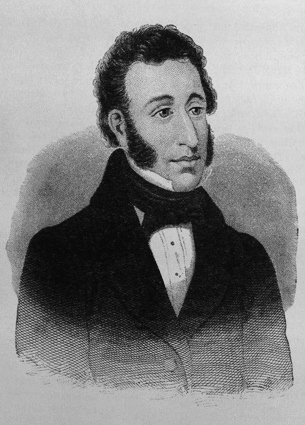
And doubted the fruits of th’ Ecclesial tree,
They shook the branches with bright annals,
And scandal’s sword no more cut me.
Such have been the Banims for me;
They etched the light in the form of Gaels.

When I thought of life too simply,
And forgot the twofold end of striving,
He unfurled sage Solomon’s scroll,
And cried, though much is good, not all is thriving.
Such has been the Shropshire Lad for me;
He who lived by the bell’s solemn toll.
So often has my soul been lifted up,
By the words from your own vital spark,
Yet how my spirit sinks when I do read
That on life’s sea, yours was a battered barque.
Yet, your souls, though elsewhere, still are,
And for love of ye, I may yet bleed.
Do ye dwell with the blessed, my darlings?
Then smile at my gesture and laugh like a saint.
Or are ye twined with purgatorial flame?
Then let me render up, without constraint,
My voluntary pains for ye, my tears,
To get ye hence, to your gift’s fount, to your true Aim.

Sunday, October 16, 2011

Whatever else is said, this ought to be noted:
'In truth, Karol Wojtyła was not transformed by the papacy. Rather he was practically tailored for the roles of priest and bishop within a Poland that was a microcosm of the troubled twentieth-century world around it...men like Stefan Wyszyński and Adam Sapieha insisted that the Church not flee to the catacombs. It had to be everywhere in Polish life...even in the teeth of brutal repression...
Besides the Church in Poland...had developed an outlook that was genuinely global; and this globalism was faithfully reproduced in its political institutions, which, though serving Polish nationalism, were imbued with a genuinely geopolitical sense. This, too, he inherited.
The great difference between the Karol Wojtyła who entered the papal Conclave on October 14, 1978, and the man who emerged from it two days later was that he had walked in Archbishop of Kraków, and had walked out as Bishop of Rome.' _Malachi Martin SJ, The Keys of This Blood, Book I: The Geopolitics of Power, Part I: the Arena, Chapter 5: The Keys of This Blood
Thursday, October 13, 2011

I am by your side; I am keeping watch.
At least I hope I speak that truthfully. When we were children studying the history of vile deeds, I know we all asked ourselves how common, ordinary people no different from us in essentials, did--without dissent--deeds that most individuals would never contemplate for a moment. Genocide, rape, enslavement, apostasy.
One of the most chilling moments in the film Beyond the Gates, a vivid recounting of the atrocity of Rwanda, is when the English teacher at a religious school sees one of his Hutu friends after the blood bath has begun. He has known this man for some time; this person even worked for the church to which the school is connected. When the Englishman sees him again after the ethnic cleansing has begun, the man is covered with blood and wielding a machete. Even with the grace of the sacraments, he turned to unspeakable evil.
Will most always be united with grace. While God must always reach out for us, while we can do nothing of ourselves, we must choose to wake when He calls. A sort of spiritual drowsiness, a deliberate blindness, a surrender of one's reason and volition to a stronger agent is the only thing that can account for the Satanic manipulation of whole peoples. It is strange how often we choke on the submission due to God, yet we render it unto Lucifer quite readily. And all because he presents the act in the form of a bargain, and man thinks he retains his dignity merely because he got something for his soul.
Degenerate evil is fast becoming the theme of our day, and the call for a rescue against our bellicose animosity towards one another has become the anthem even of those who do not believe:
We must be awake! It is hard, especially in this epoch of multitudinous distractions, and even the five wise virgins of the parable dozed while waiting for the Bridegroom. We have drifted off ourselves, but now we must right our course.
The first step of waking is to open our eyes. Every one has talked with that friend who said, 'Of course, I'm listening to you...I'm just resting my eyes.' Indeed. She was soon napping after saying that. When we wake in the morning we open our eyes and draw the curtains immediately, letting the sun's light dispel our bodily lethargy. Well, what is the light of the soul?
Wisdom is the universal answer, but who is she? And why has her patronage not protected many purportedly wise men from committing diabolical acts? A brilliant musical scholar, Molly Gustin (who strove to show how right reason was wed with good music), was once explaining why the worst music was always made by the educated man. Only scholars produced atonal abominations after all. She said that their education, willfully twisted, had snuffed out the light of truth that a folk musician or even a rocker still retains in his natural state: 'You have to go the university and became an intellectual in order to be perverted.' she gleefully teased her students.
So both the simple brute and the erudite ninny may be drowsing in moral torpitude. Then who is Wisdom, and where may we find her? How can we obtain her when she is found?
Well, the man who has truly awakened himself in mind, heart, and soul, will first say that wisdom cannot be obtained. Remember the ancient image of Wisdom as Athena. She is an armoured woman, and she would skewer any mortal that dared to make her his slave. You bear her yoke; she does not bear yours. The Renaissance made man 'the measure of all things', and until that error is unlearned, we cannot even hope to begin the journey to the light.
And in the multitude of the elect she shall have praise, and among the blessed she shall be blessed, saying: I came out of the mouth of the most High, the firstborn before all creatures: I made that in the heavens there should rise light that never faileth, and as a cloud I covered all the earth: I dwelt in the highest places, and my throne is in a pillar of a cloud. I alone have compassed the circuit of heaven, and have penetrated into the bottom of the deep, and have walked in the waves of the sea, And have stood in all the earth: and in every people, And in every nation I have had the chief rule: And by my power I have trodden under my feet the hearts of all the high and low: and in all these I sought rest, and I shall abide in the inheritance of the Lord. (Ecclesiasticus XXIV:4-11)
Humility is the prequisite condition for receiving wisdom. Without it, we may gain knowledge, but will not otherwise profit from any study. For proud creatures, such as fallen human beings, humility has always been hard, but at least it was properly held as a virtue in many creeds and cultures of the past. The postmodern First World however has thoroughly rejected meekness in all its forms, particularly where it concerns feminine-like submission.
The idea of femininity in a position of governance is a concept not to be countenanced by the movers of our times, be they men or women. 'Feminists' did the world a great injustice in choosing to agree with the apostatized West that femininity was of no value and that it was only in imitating man, woman could achieve real worth.
The Catholic neurologist and psychiatrist, Karl Stern, explained the problem thus:
The problem of activism--a lack of balance between action and contemplation--is said to be characteristic of our time...Now whenever we psychiatrists have an opportunity to observe this kind of person as a patient, we find at the bottom of it all a maternal conflict and a rejection of the feminine. (Stern, The Flight from Woman, Chapter I: Introduction)
A 'maternal' conflict. And what is the maternal conflict of our age? Whose motherly voice have we refused to hear? What enlightenment have we refused from fair Wisdom?
Either one believes in a thing, or one does not, so rather than attempting to set the supports for a bridge in the abyss, I shall try to leap it.
It has been ninety-four years now today that we, both the low and the high of humanity, have chosen to ignore the requests of the Lady of Fatima. That non-Catholics have done so is understandable (even with the well-documented miracle that occurred in Cova de Iria, Portugal on this day in 1917). But that Churchmen and the faithful have done so? Granted, one is not obliged to believe in private revelation. One is also not obliged to exercise his body, illumine his mind, or love from the heart in order to stay alive, but such lack of exertion is generally frowned upon by mankind in general.
So what is one to say of the actions of the Vicar of Christ in 1960 in refusing the request of Fatima? Well, nothing in fact. It is impossible to pronounce on the plans of the Lord's anointed, for there is no way of knowing what instruction he might have received from the Holy Spirit. We have never sat in the Chair of Peter. Yet, as we are meant to pray for the Pontiff, we must be alert in some way to what duties he may have to perform. It is necessary for us to know when to double our mortifications for his sake, to know when the lone, white-robbed figure most earnestly needs our prayers to strengthen his fortitude. In that sense, while we may draw no conclusions, we must to some extent ruminate about the duties of a pontificate.
Now in 1962, a certain spirit was about to be unleashed upon the world from the Roman Catholic Church, and we have come to call it the 'Spirit of Vatican II.' When someone finds the good fruits of that spirit, they must write of it. Until then, the faithful will suffer from its effects (whether consciously or no), and those outside the Faith will see it as a sign of the Church's eventual collapse.
Papa Roncalli of course did not envision such an effect from his Council. Father Malachi Martin, in spite of what that priest's detractors have said, believed completely in Pope John XXIII's good intentions and wrote this of the kindly pope:
...May...during the second session of the Council. By then, Pope John knew that the Council was out of his control; his agenda for a deep renewal of activist faith in the Church had been set on a course the Pontiff had not foreseen, and it would serve someone else's agenda instead. And he also knew that he would have no time to alter that fact. One June 3, Angelo Roncalli died in his faith and his regrets. (The Keys of This Blood, Book II: The Geopolitics of Faith, Chapter XXX: Papal Training Ground: Under the Sign of Solidarność)
One particular regret may have reached as far back as 1960, when the behest of Our Lady, penned by the hand of a nun who had been a simple shepherdess, was refused by His Holiness. Whether that is true, it must have struck the Pope as very strange with the Polish Primate, Stefan Wyszyński, later approached him with a request bearing an uncanny resemblance to the Madonna's in the very midst of the Second Vatican Council.
Mainly...Wyszyński wanted to urge upon Pope John that he dedicate the Council, the bishops of the Church, and the laity of the world, whose servants they were, to the same bond of servitude to Mary that the Cardinal was preparing in Poland...
...it was nonetheless widely known by now that Mary had called for dedication of more or less the same kind Wyszyński was urging on Papa Roncalli; and that she had apparently done so for more or less the same georeligious and geopolitical reasons that had motivated Wyszyński.
...Roncalli listened with indulgence and interest...and admitted that if he had heard Wyszyński out before he had made and implemented his decision, he might have acted differently. But his attitude to Wyszyński's urgings was the same as it had been when he had first read the secret instructions of Fatima in 1960...was that this time ''our time as Pope'' was not the time for such an act of dedication. Had the Cardinal been privy to the full contents of the ''three Fatima secrets," he might have wondered if there would be another time. (ibid.)
The heads of great men have of late not steered the barque of the world very well. Perhaps, it is time the Immaculate Heart of the Woman Clothed with the Sun took the helm, and we might begin to cede control to her in honouring this day and the bidding connected with it: pray the rosary.

Sunday, October 9, 2011
In June 1863 after more than two years of bloody conflict the Confederate Army of Northern Virginia, Robert E. Lee commanding, slips across the Potomac to begin the invasion of the North...Their objective is to draw the Union army out into the open where it can be destroyed...General Lee knows that a letter has been prepared by the Southern government; a letter which offers peace. It is to be placed on the desk of Abraham Lincoln, President of the United States the day after Lee has destroyed the Army of the Potomac somewhere north of Washington... (Opening Narration: Gettysburg, 1993 [emphasis mine])
Surely there are few literal pacifists living on this earth. The majority of us would acknowledge the necessity of violence in the case of self-defense or the defense of others. To feel one's self in danger invokes all the natural instincts necessary to commit physical evils in order to prevent moral evils. Love, which moves us to will the good of another, brings other persons into that realm of one's own being which we wish always to protect. It may even be more intense than the attachment one has to one's literal self. The more loving the husband and father, the more tender the wife and mother, and the more devoted the brother or sister, the more capable they are of turning viciously on a wicked aggressor in a way which they would never even wish their loved ones to witness.
This is rather self-evident to anyone who has truly loved. What is not self-evident is when the ratiocinations of which man alone is capable projects beyond our emotive, animal instincts and thinks of defense in the light of attack. Here the avenging hand falters. Less than two centuries ago, at just such a juncture, i.e., the Mason-Dixon line, thousands of the grey army of the Confederacy, though bound to their General Robert E. Lee with the most intense filial affection, laid down their arms and refused to go further:
'They had volunteered willingly enough to defend their homes,' a regimental historian explained, 'but some did not think it right to invade Northern territory.' _(Landscape Turned Red, Stephen Sears)
On such a subject as attacking in the name of defense, I am writing of something completely out of the reach of my personal sympathies, both as a woman and as one of melancholic temperament. When I hear of one nation bearing swords across the boundaries of another, I shudder with the same repugnance that I would feel on seeing an armed man entering another man's home. Yet, with my reason, I must acknowledge that my emotive reaction is not necessarily an intution of what is true. Reason must govern emotions. 'The heart can and should obey the head.'
An officer of the state must take in a dangerous criminal, even if he must do so before the man's wife and children. Her pleas and their tears must not alter the course of justice. However clemency may wish to provide for these unfortunates later, evil must not be tolerated to spare them pain. The sacredness of the threshold of hearth and home is not an absolute thing in the case of the individual. Nor is it the case with the State. A nation that has been bellicose against another is not often sufficiently rebuked by merely being defeated on the foreign soil where it had no right to go:
Always mystify, mislead, and surprise the enemy, if possible; and when you strike and overcome him, never let up in the pursuit so long as your men have strength to follow... _Stonewall Jackson

The enemy must be pursued and soundly chastened. It is not enough to make a thief return his booty. He must give expiation for the evil in his act--providing some recompense to the injured party. He must be punished enough himself so that he shall never wish to commit the crime again.
Lee therefore justly overruled his generals in taking his army North. What seemed a desecration of the cause to some, was the best chance of ending the war and securing victory. Considerations of feeding the Confederate army and the hopes of impressing--even galvanizing--European allies also played a great part in the decision. The ability to carry a hard or even severe idea into act is the reason choleric men exist. Once vindicated by their minds, they see--and rightly see--that the time has come to lock up their hearts.
Lucy Maud Montgomery observed this well through one of her finest works. In her narrative, it is revealed that it is possible for a woman's husband to have a surgery that may restore his senses after years of living life only half-aware. The trouble is that he was an unkind, selfish, immoral bore beforehand, and his wife's life has at least been easier after her husband became an idiot. Anne naturally wishes to spare the wife, who is also her friend, but the men in her life come down against her:
"Oh, Captain Jim, I didn't think you'd say that," she exclaimed reproachfully. "I thought you wouldn't want to make more trouble for her."
Captain Jim shook his head. "I don't want to. I know how you feel about it, Mistress Blythe-- just as I feel meself. But it ain't our feelings we have to steer by through life--no, no, we'd make shipwreck mighty often if we did that. There's only the one safe compass and we've got to set our course by that--what it's right to do. I agree with the doctor. If there's a chance for Dick, Leslie should be told of it. There's no two sides to that, in my opinion."
"Well," said Anne, giving up in despair, "wait until Miss Cornelia gets after you two men."
"Cornelia'll rake us fore and aft, no doubt," assented Captain Jim. "You women are lovely critters, Mistress Blythe, but you're just a mite illogical. You're a highly eddicated lady and Cornelia isn't, but you're like as two peas when it comes to that. I dunno's you're any the worse for it. Logic is a sort of hard, merciless thing, I reckon." (Anne's House of Dreams, Chapter XXX: Leslie Decides)
Leslie's decision was one for the truth. In the end, it set her free. Ergo:
Surely there are few literal pacifists living on this earth. The majority of us would acknowledge the necessity of violence in the case of self-defense or the defense of others. To feel one's self in danger invokes all the natural instincts necessary to commit physical evils in order to prevent moral evils. Love, which moves us to will the good of another, brings other persons into that realm of one's own being which we wish always to protect. It may even be more intense than the attachment one has to one's literal self. The more loving the husband and father, the more tender the wife and mother, and the more devoted the brother or sister, the more capable they are of turning viciously on a wicked aggressor in a way which they would never even wish their loved ones to witness.
This is rather self-evident to anyone who has truly loved. What is not self-evident is when the ratiocinations of which man alone is capable projects beyond our emotive, animal instincts and thinks of defense in the light of attack. Here the avenging hand falters. Less than two centuries ago, at just such a juncture, i.e., the Mason-Dixon line, thousands of the grey army of the Confederacy, though bound to their General Robert E. Lee with the most intense filial affection, laid down their arms and refused to go further:
'They had volunteered willingly enough to defend their homes,' a regimental historian explained, 'but some did not think it right to invade Northern territory.' _(Landscape Turned Red, Stephen Sears)
On such a subject as attacking in the name of defense, I am writing of something completely out of the reach of my personal sympathies, both as a woman and as one of melancholic temperament. When I hear of one nation bearing swords across the boundaries of another, I shudder with the same repugnance that I would feel on seeing an armed man entering another man's home. Yet, with my reason, I must acknowledge that my emotive reaction is not necessarily an intution of what is true. Reason must govern emotions. 'The heart can and should obey the head.'
An officer of the state must take in a dangerous criminal, even if he must do so before the man's wife and children. Her pleas and their tears must not alter the course of justice. However clemency may wish to provide for these unfortunates later, evil must not be tolerated to spare them pain. The sacredness of the threshold of hearth and home is not an absolute thing in the case of the individual. Nor is it the case with the State. A nation that has been bellicose against another is not often sufficiently rebuked by merely being defeated on the foreign soil where it had no right to go:
Always mystify, mislead, and surprise the enemy, if possible; and when you strike and overcome him, never let up in the pursuit so long as your men have strength to follow... _Stonewall Jackson

The enemy must be pursued and soundly chastened. It is not enough to make a thief return his booty. He must give expiation for the evil in his act--providing some recompense to the injured party. He must be punished enough himself so that he shall never wish to commit the crime again.
Lee therefore justly overruled his generals in taking his army North. What seemed a desecration of the cause to some, was the best chance of ending the war and securing victory. Considerations of feeding the Confederate army and the hopes of impressing--even galvanizing--European allies also played a great part in the decision. The ability to carry a hard or even severe idea into act is the reason choleric men exist. Once vindicated by their minds, they see--and rightly see--that the time has come to lock up their hearts.
Lucy Maud Montgomery observed this well through one of her finest works. In her narrative, it is revealed that it is possible for a woman's husband to have a surgery that may restore his senses after years of living life only half-aware. The trouble is that he was an unkind, selfish, immoral bore beforehand, and his wife's life has at least been easier after her husband became an idiot. Anne naturally wishes to spare the wife, who is also her friend, but the men in her life come down against her:
"Oh, Captain Jim, I didn't think you'd say that," she exclaimed reproachfully. "I thought you wouldn't want to make more trouble for her."
Captain Jim shook his head. "I don't want to. I know how you feel about it, Mistress Blythe-- just as I feel meself. But it ain't our feelings we have to steer by through life--no, no, we'd make shipwreck mighty often if we did that. There's only the one safe compass and we've got to set our course by that--what it's right to do. I agree with the doctor. If there's a chance for Dick, Leslie should be told of it. There's no two sides to that, in my opinion."
"Well," said Anne, giving up in despair, "wait until Miss Cornelia gets after you two men."
"Cornelia'll rake us fore and aft, no doubt," assented Captain Jim. "You women are lovely critters, Mistress Blythe, but you're just a mite illogical. You're a highly eddicated lady and Cornelia isn't, but you're like as two peas when it comes to that. I dunno's you're any the worse for it. Logic is a sort of hard, merciless thing, I reckon." (Anne's House of Dreams, Chapter XXX: Leslie Decides)
Leslie's decision was one for the truth. In the end, it set her free. Ergo:
Acting the law we live by without fear;
And, because right is right, to follow right
Were wisdom in the scorn of consequence.
Alfred Lord Tennyson, Œnone
Thus, I have at last come to understand the anniversary celebrated by Poles tomorrow. On 9 October, 1610 Polish squadrons, led by Hetman Stanisław Zolkiewski, entered the Kremlin. This was the culmination of a brilliant military campaign, which had seen such remarkable victories as the Battle of Kłuszyn, where 12,300 soldiers of the Polish-Lithuanian Commonwealth soundly defeated 48,000 Muscovites, near the place which today has taken a darker shade of meaning for Poles: Smoleńsk.

As with all military campaigns, there are causes and concerns as to the integrity and purity of both the idea and the execution of the war. Yet, when a man honours the victories of war, he does not assert that the conflict is sainted, but that the elements which were righteous should be honoured. Of course, that sentiment itself is not a sufficient justification. It is as emotive as repugnance for strife. The scrutiny of reason in the light of morality is the only thing that can justify honouring the bloody mess of war.
It had begun with Polish support of 'False Dmitri', one of the many who aspired to the Russian throne after the death of Ivan IV. This support came mainly from Poland's nobility and not her king. When he was killed in 1606, his followers were also massacred. This sparked the Polish invasion of Russian borders. Here, one may concede some measure of retaliation, but invasion? And why had it been necessary for Poles to support any particular contender for the tsardom to begin with? What right did they have to exacerbate Russia's 'time of troubles'?
Now one must go back further. If we begin with Ivan III, one witnesses the explosion of the Russian state's expansion, justifying Ivan's epithet: the 'gatherer of Russian lands.' One of the lands into which he had stepped to gather was Lithuania, from whom he wanted access to the Baltic Sea. His son, Vasili III continued this campaign of warring and annexing. They were unsuccessful however against the Polish-Lithuanian Commonwealth, though they had inflicted enough harm to give those two nations pause.
It should not suprise anyone, regardless of their sympathies, that Poland refused to recognize the vast state of Ivan IV, the successor of his father and grandfather in every way. That would have been political naïveté to the extreme of treason. And perhaps even more than politics, this matter concerned the Faith as well.
In 1569 Ruthenia (Ukraine) was annexed to Poland. Those who have read Polish history will have been overawed by her tolerance of other creeds, even in the midst of religious turmoil elsewhere on the continent. So in Ruthenia, the Roman Catholic Church conquered not by the sword, but by grace.
...the Ruthenians...began to compare the lamentable condition of their Church with the development and vitality of Catholicism and to turn their eyes towards Rome. The Ruthenian clergy were steeped in immorality and ignorance; the bishops made no scruple of setting their flocks an evil example, living in open concubinage, and practising the most brazen simony. Russian documents of the sixteenth century bear witness to this melancholy decay of the Orthodox Church in the Polish provinces and to the impossibility of applying any remedy. Face to face with this spiritual ruin, the Catholic Church, reinvigorated by the accession of Jesuit missionaries, was showing her immense religious and moral superiority. Some loyal and honourable members of the Orthodox clergy and laity gradually became convinced that only a return to the Roman obedience could secure for their Church anything like sound conditions. (http://www.newadvent.org/cathen/15130a.htm)
This spawned the Union of Brest, which so overwhelmingly delighted Pope Clement VIII, that he sanctioned without reserve the preservation of the traditions of the Eastern Church, while simultaneously bring her back to the paternal fold of the Vicar of Christ. Russian prelates however did not recognize the embrace of those Latin and Ruthenian bishops. Could there be any reason for this other than that they had wished to bring the flock that had belonged to the Patriarchate of Constantinople into the Patriarchate of Moscow? Alas, that is the only explanation that makes sense, and as Ivan saw himself as a spiritual leader, as well as a temporal one, the faithful of the Russian Orthodox Church anywhere would also be his subjects.
 Thus, Polish interest in Russian succession is vindicated. Her retaliation for the murder of Poles taking that interest is justified. Her military campaign and diplomacy evinced in that time is a monument to human ability and should be marked with pride by her children. Whether the scope of her speculated ambitions in Russia were wise or just (some do claim Poland wanted to subjugate Russia to her commonwealth) is a matter for those who dote on the question 'What if?' As that query does not concern reality, it does not concern reason. If we do not cling to that, then we are left with naught but the bigotry of our own passions.
As with all military campaigns, there are causes and concerns as to the integrity and purity of both the idea and the execution of the war. Yet, when a man honours the victories of war, he does not assert that the conflict is sainted, but that the elements which were righteous should be honoured. Of course, that sentiment itself is not a sufficient justification. It is as emotive as repugnance for strife. The scrutiny of reason in the light of morality is the only thing that can justify honouring the bloody mess of war.
It had begun with Polish support of 'False Dmitri', one of the many who aspired to the Russian throne after the death of Ivan IV. This support came mainly from Poland's nobility and not her king. When he was killed in 1606, his followers were also massacred. This sparked the Polish invasion of Russian borders. Here, one may concede some measure of retaliation, but invasion? And why had it been necessary for Poles to support any particular contender for the tsardom to begin with? What right did they have to exacerbate Russia's 'time of troubles'?
Now one must go back further. If we begin with Ivan III, one witnesses the explosion of the Russian state's expansion, justifying Ivan's epithet: the 'gatherer of Russian lands.' One of the lands into which he had stepped to gather was Lithuania, from whom he wanted access to the Baltic Sea. His son, Vasili III continued this campaign of warring and annexing. They were unsuccessful however against the Polish-Lithuanian Commonwealth, though they had inflicted enough harm to give those two nations pause.
It should not suprise anyone, regardless of their sympathies, that Poland refused to recognize the vast state of Ivan IV, the successor of his father and grandfather in every way. That would have been political naïveté to the extreme of treason. And perhaps even more than politics, this matter concerned the Faith as well.
In 1569 Ruthenia (Ukraine) was annexed to Poland. Those who have read Polish history will have been overawed by her tolerance of other creeds, even in the midst of religious turmoil elsewhere on the continent. So in Ruthenia, the Roman Catholic Church conquered not by the sword, but by grace.
...the Ruthenians...began to compare the lamentable condition of their Church with the development and vitality of Catholicism and to turn their eyes towards Rome. The Ruthenian clergy were steeped in immorality and ignorance; the bishops made no scruple of setting their flocks an evil example, living in open concubinage, and practising the most brazen simony. Russian documents of the sixteenth century bear witness to this melancholy decay of the Orthodox Church in the Polish provinces and to the impossibility of applying any remedy. Face to face with this spiritual ruin, the Catholic Church, reinvigorated by the accession of Jesuit missionaries, was showing her immense religious and moral superiority. Some loyal and honourable members of the Orthodox clergy and laity gradually became convinced that only a return to the Roman obedience could secure for their Church anything like sound conditions. (http://www.newadvent.org/cathen/15130a.htm)
This spawned the Union of Brest, which so overwhelmingly delighted Pope Clement VIII, that he sanctioned without reserve the preservation of the traditions of the Eastern Church, while simultaneously bring her back to the paternal fold of the Vicar of Christ. Russian prelates however did not recognize the embrace of those Latin and Ruthenian bishops. Could there be any reason for this other than that they had wished to bring the flock that had belonged to the Patriarchate of Constantinople into the Patriarchate of Moscow? Alas, that is the only explanation that makes sense, and as Ivan saw himself as a spiritual leader, as well as a temporal one, the faithful of the Russian Orthodox Church anywhere would also be his subjects.
 Thus, Polish interest in Russian succession is vindicated. Her retaliation for the murder of Poles taking that interest is justified. Her military campaign and diplomacy evinced in that time is a monument to human ability and should be marked with pride by her children. Whether the scope of her speculated ambitions in Russia were wise or just (some do claim Poland wanted to subjugate Russia to her commonwealth) is a matter for those who dote on the question 'What if?' As that query does not concern reality, it does not concern reason. If we do not cling to that, then we are left with naught but the bigotry of our own passions.
 Labels:
Church Militant,
Concessions,
Evangelization,
Heroism,
History,
Justice,
Logic,
Lucy Maud Montgomery,
Passion,
Patriotism,
Poland,
Reality,
Russia,
the Church,
the State,
Truth,
Victory,
War
|
Labels:
Church Militant,
Concessions,
Evangelization,
Heroism,
History,
Justice,
Logic,
Lucy Maud Montgomery,
Passion,
Patriotism,
Poland,
Reality,
Russia,
the Church,
the State,
Truth,
Victory,
War
|
 0
comments
0
comments
Saturday, October 1, 2011
Dum praeliarétur Míchael Archángelus cum dracóne, audíta est vox dicéntium: Salus Deo nostro. Allelúia.

There was Eru, the One, who in Arda is called Ilúvatar; and he made first the Ainur, the Holy Ones, that were the offspring of his thought, and they were with him before aught else was made. And he spoke to them, propounding to them themes of music; and they sang before him, and he was glad. But for a long while they sang only each alone...for each comprehended only that part of the mind of Ilúvatar from which he came, and in the understanding of their brethren they grew but slowly. Yet ever as they listened, they came to deeper understanding, increased in unison and harmony.
And it came to pass that Ilúvatar called together all the Ainur and declared to them a mighty theme, unfolding to them things greater and more wonderful than he had yet revealed...
Then Ilúvatar said to them: 'Of the theme that I have declared to you, I will now that ye make in harmony together a Great Music. And since I have kindled you with the Flame Imperishable, ye shall show forth your powers in adorning this theme, each with his own thoughts, and devices, if he will. But I will sit and heaken, and be glad that through you great beauty has been wakened into song...'
Now the Children of Ilúvatar are Elves and Men...And amid all the splendours of the World, its vast halls and spaces...Ilúvatar chose a place for their habitation in the Deeps of Time and in the midst of the innumerable stars. And this habitation might seem a little thing to those who consider only the majesty of the Ainur, and not their terrible sharpness...But when the Ainur had beheld this habitation in a vision and had seen the Children of Ilúvatar arise therin, then many of the most mighty among them bent all their thought and their desire towards that place...And of these Melkor was the chief, even as he was in the beginning the greatest of the Ainur...And he feigned...that he desired to go thither and order all things for the good of the Children of Ilúvatar...But he desired rather to subdue to his will both Elves and Men..to be a master over other wills.
But Manwë was the brother of Melkor in the mind of Ilúvatar, and he was the chief instrument of the second theme that Ilúvatar had raised up against the discord of Melkor...And Manwë said unto Melkor: 'This kingdom thou shalt not take for thine own, wrongfully, for many others have laboured here no less than thou.'

Then Ilúvatar said to them: 'Of the theme that I have declared to you, I will now that ye make in harmony together a Great Music. And since I have kindled you with the Flame Imperishable, ye shall show forth your powers in adorning this theme, each with his own thoughts, and devices, if he will. But I will sit and heaken, and be glad that through you great beauty has been wakened into song...'
Now the Children of Ilúvatar are Elves and Men...And amid all the splendours of the World, its vast halls and spaces...Ilúvatar chose a place for their habitation in the Deeps of Time and in the midst of the innumerable stars. And this habitation might seem a little thing to those who consider only the majesty of the Ainur, and not their terrible sharpness...But when the Ainur had beheld this habitation in a vision and had seen the Children of Ilúvatar arise therin, then many of the most mighty among them bent all their thought and their desire towards that place...And of these Melkor was the chief, even as he was in the beginning the greatest of the Ainur...And he feigned...that he desired to go thither and order all things for the good of the Children of Ilúvatar...But he desired rather to subdue to his will both Elves and Men..to be a master over other wills.
But Manwë was the brother of Melkor in the mind of Ilúvatar, and he was the chief instrument of the second theme that Ilúvatar had raised up against the discord of Melkor...And Manwë said unto Melkor: 'This kingdom thou shalt not take for thine own, wrongfully, for many others have laboured here no less than thou.'
J.R.R. Tolkien, Silmarillon: Ainulindalë

Was Tolkien--whilst uttering the truth of a creed that is several millennia old--correct about the interest that non-material beings take in the affairs of man?
Seventeen years ago, after waking from a dream with eyes moistened in feverish distress, I could not go back to sleep. I thought of waking up someone to talk to, but my sisters sleeping peacefully in the other beds beside me would not have understood my troubles. I thought of Momma and Daddy, but I was the only child in my family that had never returned to my parents' bed after physically outgrowing it. What a strange thing it would be to go back to them at ten years of age. So I lay, clutching the quilt and looking up through the cracks of the blinds covering the window by my bed. The moon was peering down at me, looking very much like a reaper's sickle.
Seventeen years ago, after waking from a dream with eyes moistened in feverish distress, I could not go back to sleep. I thought of waking up someone to talk to, but my sisters sleeping peacefully in the other beds beside me would not have understood my troubles. I thought of Momma and Daddy, but I was the only child in my family that had never returned to my parents' bed after physically outgrowing it. What a strange thing it would be to go back to them at ten years of age. So I lay, clutching the quilt and looking up through the cracks of the blinds covering the window by my bed. The moon was peering down at me, looking very much like a reaper's sickle.
I began pondering whether the Grim Reaper was holy or evil. Though I perceived his duty as morbid, was he not merely a servant? When Scrooge had pleaded with the frightening spectre of Christmas Future, he had said: 'Good Spirit, your nature intercedes for me and pities me...'
Does it? I asked the moon. I thought of the dream again. Earlier that day I had been watching a science programme, likely merely to enjoy the beautiful images of space they afforded. However, I had listened to the staid, learned men on the show as well, and their talk of black holes had made its mark. This final stage of a star's life impressed upon me so vividly, that that night I dreamt I had been floated within and without the cosmos, hand in hand with some being (at first, I thought my guardian angel), that took me to the event horizon of a dead star that was slowly swallowing up the universe into its compressed nothingness.
I had tried to look away, but the guide clamped its hand about my jaw and forced me to stare as everything spindled comically into the black hole. To see such once majestic things as stars and planets stretched to resemble a wet, flopping noodle made the image more repugnant. The creature with me, who had grown morally ambiguous, did not speak. I did not know if it enjoyed the display or not. There was no voice at all, but if the emotions pressing upon me from the void had been vocalized, they would have run thus:
...never more to wake on stony bed,
never, till the Sun fails and the Moon is dead.
In the black wind the stars shall die...
'Ah, no!' I at last said tearfully, and turned away. I felt myself in bed again, real tears in my eyes and with the consciousness that I had spoken aloud.
As I lay fretting, staring at the indigo of space through the pale blinds and the black lace of tree branches, I thought of the factual scientists so indifferently propounding on these scenarios. They were wrong. Whatever was wise or erudite about the sages speaking on such matters, they had no right to be calm in the face of the destruction of things that were. In spite of their ambitions, they ought to have known they could never reduce existence to the amoral system of rules that had no greater interest in men than in the barbs of a sparrow's wing.
Let the empirical scientists be content with their theories reigning 'for the most part', for they shall never obtain the dominion of 'always.' That is a leap of intuition, yes, but one that most of the world have made. The reason is simple: there can be no evil actions without an actor, and the presence of so much evil in the world--moral and physical--demands the existence of agents, for only creatures with volition are not bound absolutely by laws. Hence, there will never be a science of their deeds. Any attempt at such a discipline would itself be superstition.
Now superstition in the literal sense is never wrong. It is but 'standing over a thing in awe and amazement.' Even if the premise of scientism--that all can be reduced to an inanimate, empirical cause--were correct, the mind of man will likely never achieve that exalted state of knowledge. Dana Scully may say, 'Nothing happens in contradiction to nature, only in contradiction to what we know of it,' but that is a statement of faith, not reason, and even if it is true, it is not true simply. The sage and the peasant both do many things in a certain only because those methods have worked in the past. There need not be any rational synthesis to justify their procedures. They stand in awe of the forces of the created world and often find themselves more likely to rely on precedent than pure logic.
And David consulted the Lord: Shall I go up against the Philistines, and wilt thou deliver them into my hands? He answered: Go not up against them, but fetch a compass behind them, and thou shalt come upon them over against the pear trees. And when thou shalt hear the sound of one going in the tops of the pear trees, then shalt thou join battle ( II Samuel V:23-24)
The above is but one of many instances where a spiritual agent acts upon the material order, in this case, after God's own design. It is almost maddening if one concedes that angels are (based upon the teachings of the Church Fathers) the direct operators of the universe. That must be why men most directly exposed to the physical elements--e.g., sailors and farmers--are often so superstitious. Long acquaintance with mysterious cause and devastating effect has served to humble them rather than puff them up. Their empirical experience has also occasionally shown them that things may behave not merely unpredictably, but even contrary to natural laws.
...never more to wake on stony bed,
never, till the Sun fails and the Moon is dead.
In the black wind the stars shall die...
'Ah, no!' I at last said tearfully, and turned away. I felt myself in bed again, real tears in my eyes and with the consciousness that I had spoken aloud.
As I lay fretting, staring at the indigo of space through the pale blinds and the black lace of tree branches, I thought of the factual scientists so indifferently propounding on these scenarios. They were wrong. Whatever was wise or erudite about the sages speaking on such matters, they had no right to be calm in the face of the destruction of things that were. In spite of their ambitions, they ought to have known they could never reduce existence to the amoral system of rules that had no greater interest in men than in the barbs of a sparrow's wing.
Let the empirical scientists be content with their theories reigning 'for the most part', for they shall never obtain the dominion of 'always.' That is a leap of intuition, yes, but one that most of the world have made. The reason is simple: there can be no evil actions without an actor, and the presence of so much evil in the world--moral and physical--demands the existence of agents, for only creatures with volition are not bound absolutely by laws. Hence, there will never be a science of their deeds. Any attempt at such a discipline would itself be superstition.
Now superstition in the literal sense is never wrong. It is but 'standing over a thing in awe and amazement.' Even if the premise of scientism--that all can be reduced to an inanimate, empirical cause--were correct, the mind of man will likely never achieve that exalted state of knowledge. Dana Scully may say, 'Nothing happens in contradiction to nature, only in contradiction to what we know of it,' but that is a statement of faith, not reason, and even if it is true, it is not true simply. The sage and the peasant both do many things in a certain only because those methods have worked in the past. There need not be any rational synthesis to justify their procedures. They stand in awe of the forces of the created world and often find themselves more likely to rely on precedent than pure logic.
And David consulted the Lord: Shall I go up against the Philistines, and wilt thou deliver them into my hands? He answered: Go not up against them, but fetch a compass behind them, and thou shalt come upon them over against the pear trees. And when thou shalt hear the sound of one going in the tops of the pear trees, then shalt thou join battle ( II Samuel V:23-24)
The above is but one of many instances where a spiritual agent acts upon the material order, in this case, after God's own design. It is almost maddening if one concedes that angels are (based upon the teachings of the Church Fathers) the direct operators of the universe. That must be why men most directly exposed to the physical elements--e.g., sailors and farmers--are often so superstitious. Long acquaintance with mysterious cause and devastating effect has served to humble them rather than puff them up. Their empirical experience has also occasionally shown them that things may behave not merely unpredictably, but even contrary to natural laws.

Here the learned may shake their heads. Why is men so anthropocentric? Why would beings of such incredible understanding and power be so engrossed with the affairs of one world? With the actions of fragile, fallibe creatures that eat, sweat, and defecate? It seems beneath their dignity, as if they were like those bored Greek gods that could not even let the Achaeans, Argives, and Danaans have a footrace on the plains of Ilium without interfering.
However, the learned who espouse such a view seem not to have noticed they are asking a question regarding motive. They ignore the fact that motives belong only to individuals and they may be enmeshed with all sorts of forces outside the realm of logic: 'The heart has its reasons, of which reason knows nothing.'
Have we, as children of men, not stood on peaked mountain balds, inhaling the rarefied air around us until we were giddy with its thinness? Or have we not gazed with heartbreak on radiant sunsets illuminating slender lunar crescents? Have we not occasionally wandered from the common path of the forest into a mossy glen embued with a fae mist? Whatever form the natural raptures we have known took, we have had them. And what did we want in those places of such transcendent splendour? Did we not want the wind, the peaks, the sun, the colours, or even the moss to speak to us? To feel some return of our love from the beloved object? What would have delighted us more than if a nymph or god were to arise from the essence of these things and offer us some acknowledgement? Aye, as beautiful as inanimate things are, sentient things shall always be best.
Angels know that even better than we do, and are less likely to prefer a mountain to man for its bulk than man is himself:
...And this habitation might seem a little thing to those who consider only the majesty of the Ainur, and not their terrible sharpness...
Or as Chesterton put it: 'One may understand the cosmos, but never the ego; the self is more distant than any star.' The will of the stupidest, shallowest human being is more interesting than the wheel of the universe.
It should not surprise us then how the Church has taught us to approach the Prince of the Heavenly Host, as our tender guardian, rather than a demanding sergeant frowning on our material limitations. In the Old Rite, his name comes third in the Public Confession. At the end of Mass, his prayer immediately follows Our Lady's. His dominion holds over clement hospitals as well as militant hosts. Why?
Angels, we must remember, are individuated according to function. What is their function? Their intellectual grasp of God, whether it is employed to praise or to blaspheme. When the mighty seraphim, the Bearer of Light, set himself up as equal to God, the first being to denounce this outrageous pride was the one defined by his humility and awe. He was the seraphim who rose up and, naming himself, thundered:
That is his thought; that is his being. It is only reasonable that this eternal person takes the greatest interest in how his battle against Satan plays out in temporal affairs, and being so humble, will not scorn the war on any scale. He shall certainly not remain inactive where his nemesis is prowling.
It should not surprise us then how the Church has taught us to approach the Prince of the Heavenly Host, as our tender guardian, rather than a demanding sergeant frowning on our material limitations. In the Old Rite, his name comes third in the Public Confession. At the end of Mass, his prayer immediately follows Our Lady's. His dominion holds over clement hospitals as well as militant hosts. Why?
Angels, we must remember, are individuated according to function. What is their function? Their intellectual grasp of God, whether it is employed to praise or to blaspheme. When the mighty seraphim, the Bearer of Light, set himself up as equal to God, the first being to denounce this outrageous pride was the one defined by his humility and awe. He was the seraphim who rose up and, naming himself, thundered:
'Mi ke El?'
Who is like God?
Sáncte Míchael Archángele, defénde nos in proélio, cóntra nequítiam et insídias diáboli ésto prćsídium. Ímperet ílli Déus, súpplices deprecámur: tuque, prínceps milítić cɶléstis, Sátanam aliósque spíritus malígnos, qui ad perditiónem animárum pervagántur in múndo, divína virtúte, in inférnum detrúde.
Ámen

 Labels:
Angels,
Church Militant,
Cosmos,
Demons,
Dreams,
Flesh,
God,
Logic,
Men,
Myth,
Nature,
Philosophy,
Reality,
Satan,
Scientific Discovery,
Soul,
St. Michael the Archangel,
Tolkien,
Truth
|
3
comments
Labels:
Angels,
Church Militant,
Cosmos,
Demons,
Dreams,
Flesh,
God,
Logic,
Men,
Myth,
Nature,
Philosophy,
Reality,
Satan,
Scientific Discovery,
Soul,
St. Michael the Archangel,
Tolkien,
Truth
|
3
comments
Subscribe to:
Posts (Atom)
About Me

- Jacobitess
- Warsaw, Poland
- Domine, spero quia mundum vicisti. Lord, I trust that Thou hast overcome the world. Panie, ufam, żeś pokonał świat.